Managing invoices is an important part of running a business. As more businesses move towards digital invoicing, keeping transaction information accurate and organised has become an important part of everyday accounting.
From checking customer details to reviewing transaction records, having a consistent process can help businesses manage their invoicing more efficiently.
Why Accurate e-Invoice Records Matter
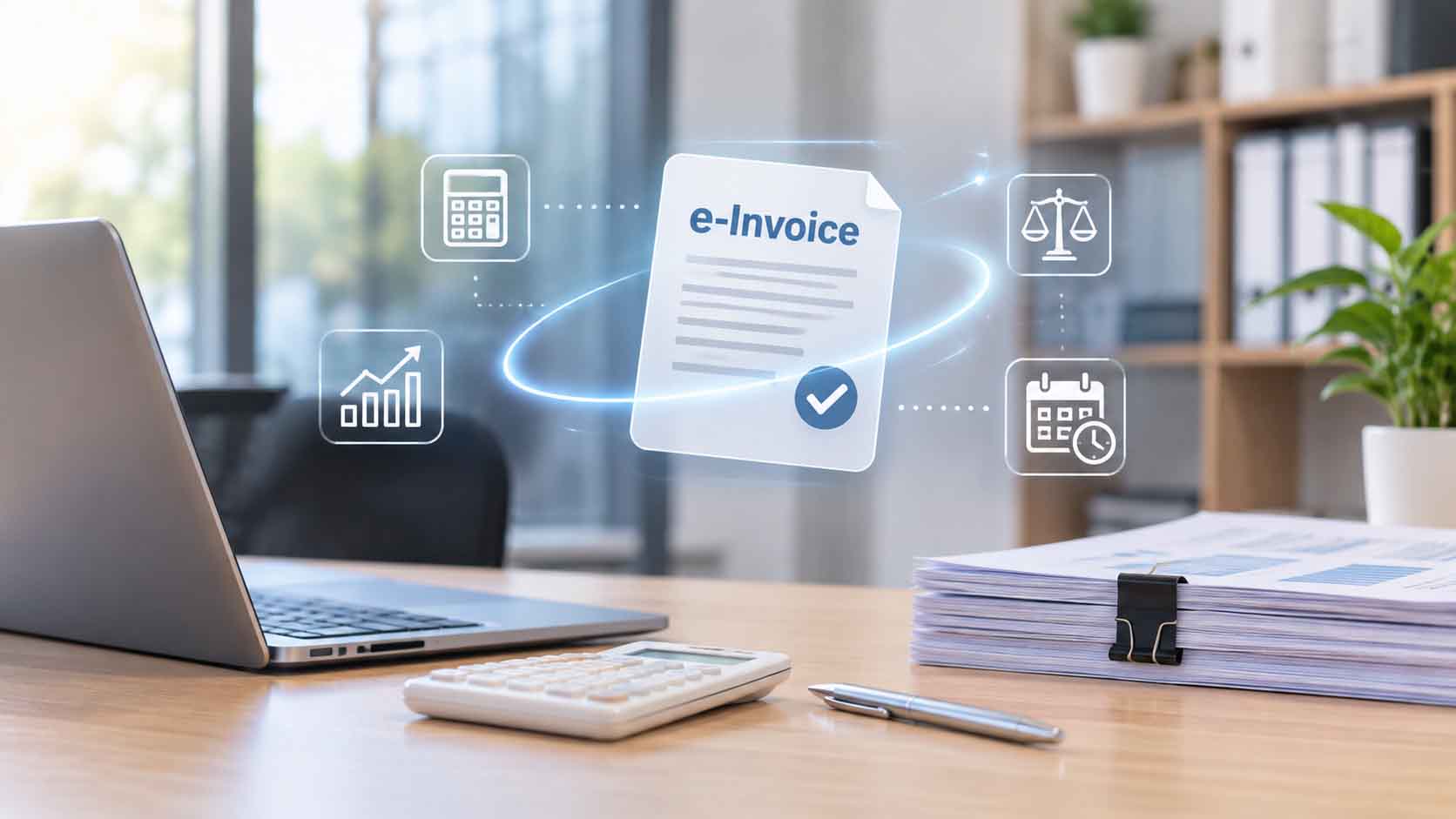
An e-Invoice contains transaction information that businesses need to manage and keep track of, such as supplier and buyer details, descriptions of goods or services, quantities, amounts and other relevant information.
When these details are recorded correctly, businesses can find transaction information more easily and maintain better consistency between their invoicing and accounting records.
For businesses using Malaysia’s MyInvois platform, it is useful to become familiar with the available e-Invoice resources and documentation.
Source: LHDN – Official e-Invoice Guidelines and Implementation Resources
Common e-Invoice Record-Keeping Issues
When managing a high volume of transactions, businesses may encounter several common challenges:
- Incorrect customer details: Buyer information may be entered incorrectly or inconsistently.
- Missing transaction records: Some transactions may not be recorded properly in the accounting system.
- Incorrect amounts: The invoice value may not match the supporting transaction records.
- Disorganised supporting documents: Receipts, purchase records and other documents may be difficult to locate.
- Inconsistent accounting records: Information stored in different systems may not match.
Reviewing these details regularly can help businesses identify discrepancies earlier and keep their records organised.
Five Practical Ways to Keep Your e-Invoice Records Organised
A consistent record-keeping process can make invoice management easier.
- Review transaction details. Check buyer information, transaction descriptions, quantities and amounts before finalising records.
- Keep supporting documents together. Organise receipts, purchase orders and other relevant documents so they are easier to retrieve.
- Compare invoicing and accounting records. Review the information recorded in your invoicing platform against your accounting records.
- Organise records by month. A consistent filing structure can make it easier to review transactions and locate information when needed.
- Review your process regularly. Identify repeated errors or manual steps that could be improved through better workflows.
For information on MyInvois processes and the latest e-Invoice documentation, refer to LHDN’s official resources.
Source: LHDN – e-Invoice Implementation Timeline and Resources
Make Accounting Management Easier with the Right System
Managing invoices and financial records manually can become time-consuming as a business grows. Using an accounting system can help keep transaction information organised and make it easier to review business records.
Emspaced Accounting provides SQL Accounting solutions to support businesses with their accounting processes.
With a suitable accounting setup, businesses can work towards more organised records and smoother day-to-day accounting management.
Speak with the Emspaced team to explore our SQL Accounting solutions and find out how they can support your business.
Frequently Asked Questions
What is an e-Invoice?
An e-Invoice is a digital representation of a transaction between a supplier and a buyer. In Malaysia, businesses can refer to LHDN’s official e-Invoice resources for information about the MyInvois platform and its processes.
Why should businesses review their e-Invoice records regularly?
Regular reviews can help businesses identify missing information, inconsistent transaction details and discrepancies between invoicing and accounting records.
Can accounting software help with e-Invoice record management?
An accounting system can help businesses organise financial transactions and maintain accounting records. The functions available depend on the software and its configuration.
Disclaimer: This article provides general information about accounting organisation and digital invoicing. It is not tax advice or a guide to determining e-Invoice eligibility or compliance requirements. For current technical information about MyInvois, refer directly to LHDN’s official resources.